Salvage explained / Understand the categories
What do insurance write-off categories actually mean?
Cat S, Cat N, Cat A and Cat B explained, with the checks that matter before you buy a salvage vehicle.
S means repairable structural damage. N means repairable non-structural damage. A and B vehicles must not return to the road. A category is a starting point for your checks, not a repair estimate.
The four categories at a glance
| Category | What it means | Can the vehicle return to the road? |
|---|---|---|
| Cat A | Scrap: the entire vehicle must be crushed. | No |
| Cat B | Break for parts: the bodyshell must be crushed; some parts can be recovered. | No |
| Cat S | Repairable structural damage. | Yes, after repair to a roadworthy condition |
| Cat N | Repairable non-structural damage. | Yes, after repair to a roadworthy condition |
These are the distinctions in GOV.UK’s write-off guidance. “Repairable” does not mean ready to drive away.
Does Cat N mean minor damage?
No. Non-structural damage can still involve safety-critical components. A car may need work to its steering or suspension, even when the main structure is unaffected. Aviva’s write-off guide highlights this distinction.
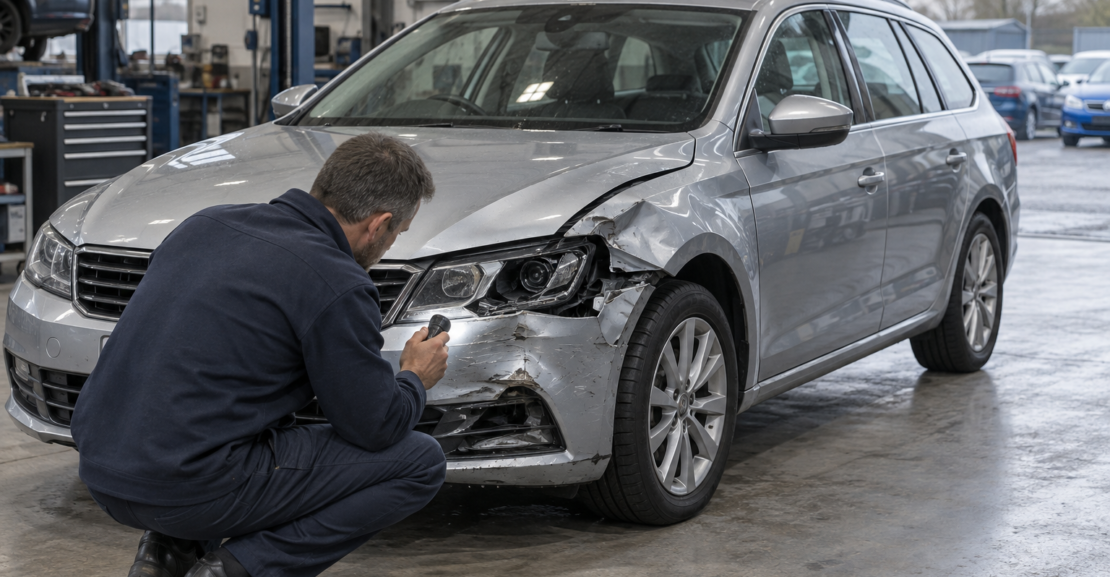
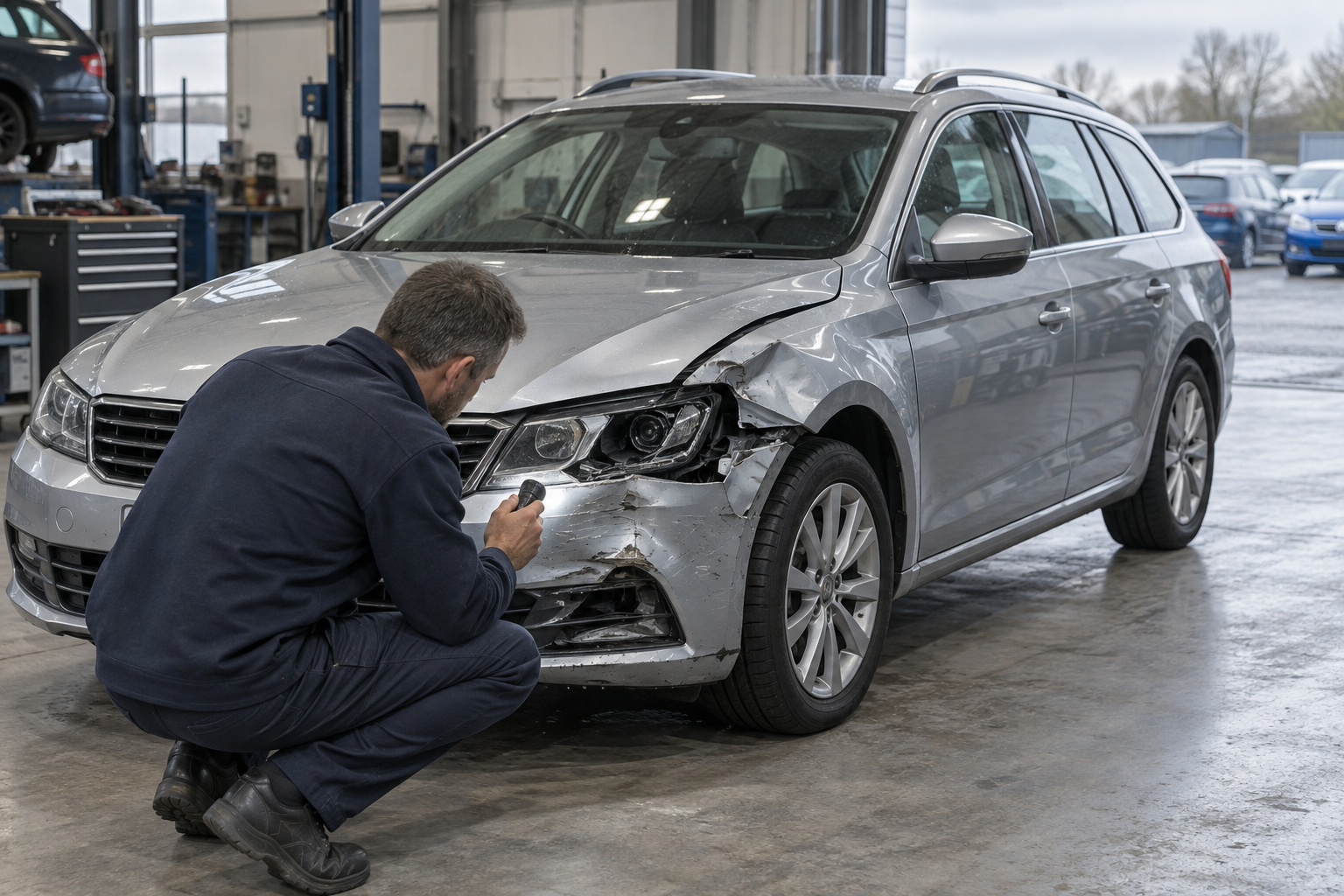
For a buyer, the useful question is: “What exactly needs replacing, repairing and checking?” Ask for close-up photographs, an itemised assessment and details of any deployed airbags. A tidy exterior photograph cannot answer those questions.
What happened to Cat C and Cat D?
You may still see C and D on older records. S and N replaced them in October 2017, with the newer system focusing on structural versus non-structural damage rather than repair economics. They are not exact one-for-one translations. The RAC explains the change.
Where does “unrecorded” fit?
“Unrecorded” or “Cat U” is not another grade of repairable damage alongside S and N. Copart uses U for vehicles not categorised as write-offs; some can still be severely damaged. See Copart’s explanation of Cat U.
Treat a seller’s category description and the vehicle’s physical condition as two separate checks. If they do not seem to agree, ask for an explanation before committing.
Five questions to ask before buying
- Can I see a current vehicle history check and the registration/VIN?
- Are there photographs from before any repairs began?
- What damage has been identified beyond the visible panels?
- Can my chosen repairer inspect it and prepare a written estimate?
- What will the total be, including collection, parts, labour and a contingency?
Keep the answers alongside the advert and your own inspection notes. Comparing two cars is much easier when you compare their likely finished cost rather than their asking prices alone.
General UK guidance, checked on 17/09/2026. Individual claims, repair requirements and insurance terms vary. Follow the relevant insurer’s and official guidance for your vehicle.